
Bomb disposal and mountain rescue: Just who can use a blue light on UK roads?

Share
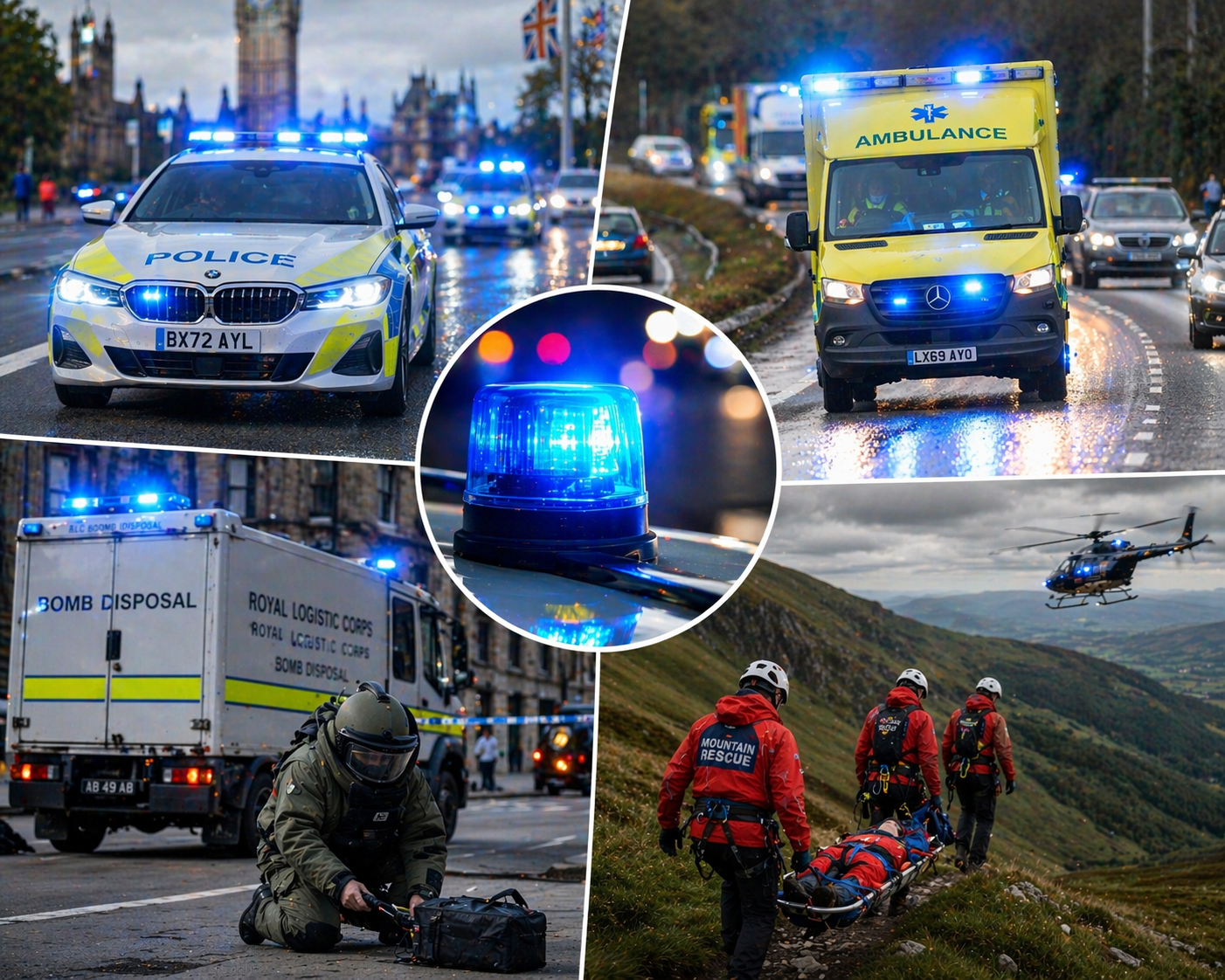
There are more than a dozen types of emergency vehicles which can use a flashing blue light on UK roads – but can you name them?

The different types of vehicles which can use them have been outlined by the motoring experts at LeaseCar.uk to help drivers understand more fully.
Police cars, fire engines and ambulances are the obvious examples which most people will be aware of. But there are many others too.
However, LeaseCar.uk warn that vehicles which are not emergency vehicles which are displaying a blue light such as a blue LED or blue neon under-vehicle lighting system can see the motorist fined or prosecuted.
A spokesman for LeaseCar.uk said: “There are many emergency situations on our roads and it is useful for motorists to be aware when they are driving which vehicles can legitimately use them, so they can be aware in what are often dramatic, challenging and life-threatening situations.
“Also, in 2005, the law was updated to allow emergency service bicycles to use blue lights as well as motor vehicles. This was to reflect the increased use of cycles responding to emergency situations.”
Here is LeaseCar.uk guide to blue light emergency vehicles:
Firefighting: Those using vehicles for fire fighting purposes. These include a fire engine, but can also include vehicles used by the Forestry Commission, local councils and for local fire salvage work.
Medical: Those using vehicles for ambulance purposes. As well as ambulances, it can include cave rescue, the moving of sick and injured people and transporting human organs.
Law and order: Those using vehicles for police purposes. These can include a police car, riot van and those carrying out search and rescue operations.
National security: By military special forces such as the SAS during a national security emergency.
Crisis situations: For other emergency situations such as mine rescue, nuclear accidents, mountain rescue and bomb disposal. Mountain Rescue were given permission to use blue lights as recently as 2009, when they were upgraded to emergency vehicle status.
Other organisations: For other agencies including the Royal Air Force Armament Support Unit, the RNLI for launching lifeboats, the HM Coastguard and the National Blood Service.
Animal Ambulances: Can use blue flashing lights when on private land but they must be covered up when driving on the road. Caveats are when being escorted by a police car also showing blue lights, or within the local police force area where an animal ambulance company has signed a Memorandum of Understanding with its chosen local police force to be able to show a blue light.
Amber and green lights: Other colour flashing lights can also be used in hazardous situations. In 2005, Abnormal Load Escort vehicles were introduced to allow escort vehicles to use amber flashing lights when travelling above 25mph. Meanwhile, green flashing lights indicate a vehicle has a registered medical doctor on board on route to an emergency.
Emergency vehicles can show lights of different colours to make them stand out. A police control vehicle can show a blue and white light in all directions from a chequered dome on the roof; similarly, red and white for a fire service control vehicle and green and white from an ambulance service control vehicle.
Related articles
 General
30 March 2026
The Lexus GX tops the 10 most-wanted luxury cars in the world
Jake Crowley
 General
21 October 2024
Inflation on the road – How has cost ownership changed in the last decade?
Tim Alcock
 General
8 December 2023
How to drive safely in winter conditions - Leasecar BlogTim Alcock
 General
15 October 2023
5 Reasons Leasing A Car Is Better Than Buying One OutrightTim Alcock
 General
15 October 2023
5 Stylish Affordable Cars For Trendy DriversTim Alcock
 General
27 March 2020
Famous fictional carsTim Alcock
 General
6 February 2020
Six confusing things on Britain’s roadsJake Crowley
 General
6 February 2020
Ten Silliest Car AccessoriesJake Crowley
 General
30 November 2018
A Guide for Driving for WorkTim Alcock
30 March 2026
Jake Crowley
21 October 2024
Tim Alcock
8 December 2023
Tim Alcock
15 October 2023
Tim Alcock
15 October 2023
Tim Alcock
27 March 2020
Tim Alcock
6 February 2020
Jake Crowley
6 February 2020
Jake Crowley
30 November 2018
Tim Alcock